
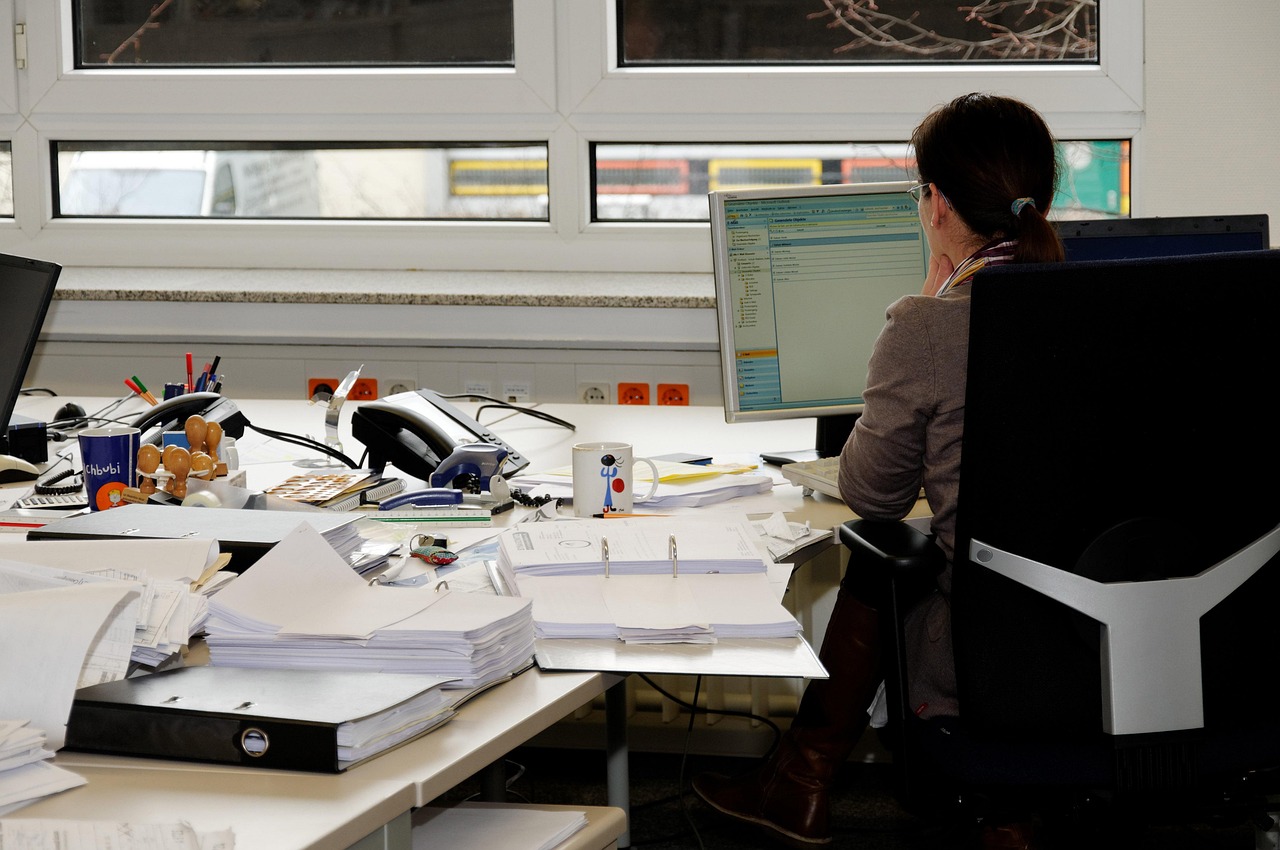
Water conservation in offices isn’t just an environmental buzzword—it’s a practical necessity that can slash utility bills and boost your company’s green credentials. Every drop counts, especially when you consider that commercial buildings consume roughly 17% of all treated water in the United States. Your workplace probably wastes more water than you realize, from dripping faucets to inefficient appliances. The good news? Small changes can yield big results. And when thinking about how to define realistic sustainability targets, water conservation is a perfect starting point. Think of it as a low-hanging fruit that benefits both your bottom line and the planet. Let’s dive into actionable strategies that transform your office into a water-wise workplace.
Smart Fixtures and Equipment Upgrades
Installing low-flow fixtures represents the fastest way to cut water consumption without disrupting daily operations. Modern low-flow toilets use just 1.28 gallons per flush compared to older models that guzzle 3.5 gallons or more. Sensor-activated faucets eliminate the classic problem of employees leaving taps running while washing dishes or hands. These automatic systems also reduce cross-contamination—a win-win for health and conservation. Upgrading your office dishwasher to an Energy Star model can save thousands of gallons annually while maintaining spotless results. Don’t overlook the break room coffee station, where simple aerators on faucets can reduce flow by 30% without affecting water pressure.
Maintenance and Leak Detection Programs
 A single dripping faucet wastes over 3,000 gallons per year, making regular maintenance your secret weapon against water waste. Establish monthly inspection routines where facilities staff check all plumbing fixtures, from bathroom sinks to kitchen equipment. Hidden leaks lurk behind walls and under floors, silently driving up water bills until someone notices the damage. Smart water meters and leak detection systems can alert you to problems before they become expensive disasters. Train your maintenance team to prioritize quick repairs—that “small” toilet leak can waste 200 gallons daily. Consider creating an employee reporting system where staff can easily flag leaks or running toilets they discover.
Employee Education and Behavioral Changes
Your biggest water-saving opportunity might be sitting at the desk next to you. Employees often develop wasteful habits without realizing their impact on resource consumption. Launch awareness campaigns that highlight simple actions like turning off faucets while soaping hands or reporting leaks immediately. Create friendly competitions between departments to see who can achieve the lowest water usage while maintaining productivity. Post reminder signs near sinks and water fountains with catchy phrases like “Every drop matters” or “Be a water warrior.” Share monthly water usage reports with staff, celebrating improvements and identifying areas for better performance.
Water-Efficient Landscaping and Outdoor Spaces
 Office landscaping doesn’t have to drain your water resources or your budget. Native plants require minimal irrigation once established, creating attractive outdoor spaces that practically care for themselves. Replace thirsty grass lawns with drought-resistant alternatives like ornamental grasses or ground covers. Install drip irrigation systems that deliver water directly to plant roots, reducing evaporation and runoff by up to 50%. Collect rainwater in barrels or cisterns for landscape irrigation during dry periods. Mulch around plants to retain soil moisture and reduce watering frequency.
Consider xeriscaping—the art of beautiful, water-wise landscaping that thrives in dry conditions. Water conservation in offices requires a combination of smart technology, proactive maintenance, engaged employees, and thoughtful outdoor planning. Start with high-impact changes like fixture upgrades and leak detection programs, then build momentum through education and behavioral shifts. Remember that water conservation isn’t about sacrifice—it’s about efficiency and responsibility. Your efforts will pay dividends through reduced utility costs, improved sustainability credentials, and a workplace culture that values environmental stewardship. Every gallon saved today contributes to a more sustainable tomorrow for your business and community.
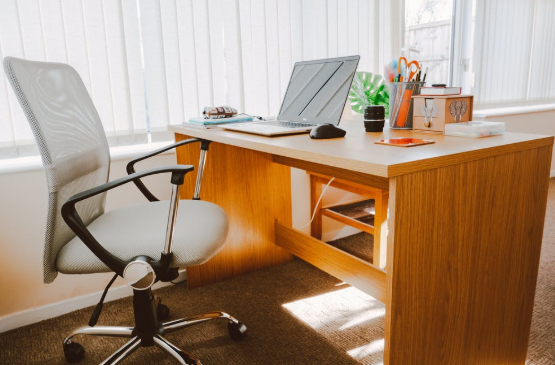
 Furniture that offers maximum comfort is the best, so you should always consider this factor. Workers will feel comfortable at work if the tables and chairs in the office are comfortable. When choosing office equipment, several options should be considered, such as choosing equipment to get a total worker, manager, or IT specialist. If you are looking for an office desk for the boss, the desk should be large and have storage units such as drawers or cabinets. And if you are looking for furniture for general staff, it should consist of an office desk with drawers and a computer area. A web designer might need an office desk where there should be space for a large screen, connections, and cables.
 A large piece of furniture enhances the beauty of any office. When your clients see your office, you have the opportunity to impress them with all the furniture you have used in your office. Before buying office furniture, you need to inquire about the particular theme of your workplace. The furniture is available in a wide variety of designs. Therefore, the furniture you have purchased for your office should help you control all the new images and personalities. The furniture must make maximum use of the available space, so you need to quantify the office’s size to get to know the area. In this way, you can easily buy furniture that fits perfectly into the available space and stop buying large or small things. The furniture should also be positioned so as not to block the road. For example, cabinets should be easy to open so that things can be easily removed.